
 By
By 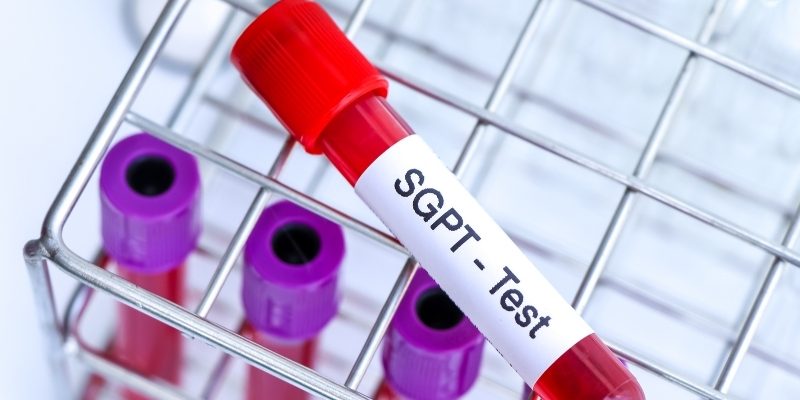
Serum Glutamic Pyruvic Transaminase, also known as SGPT, is an enzyme produced by the heart and liver cells. It plays an important role in breaking down proteins and converting them into energy. SGPT increases when damage occurs in the liver cells. Doctors suggest an SGPT test to find out whether there is a disease, drug, or injury that has caused damage to your liver. This test evaluates the levels of GPT in the blood serum.
Importance
SGPT test is an important test especially for those having liver-related issues:
Liver function: The SGPT enzyme helps in normal liver function. The test is useful in assessing liver health, including the case of typhoid fever.
Liver damage: Elevated SGPT levels may indicate liver damage or inflammation, making the test essential for individuals with alcohol use disorders.
Liver diseases: This test is suggested for those who are already suffering from liver diseases, including hepatitis (inflammation of the liver), jaundice (high bilirubin levels), and hepatic failure (liver malfunction).
Cirrhosis: Your doctor may recommend this test to evaluate cirrhosis, the advanced stage of liver fibrosis, which causes damage and scarring to the liver.
Liver tumours: A high level of SGPT in the blood may be indicative of abnormal tissue masses in the liver, which may be benign or malignant.
Liver ischemia: Hepatic ischemia occurs when the liver does not get enough blood or oxygen, causing injury to liver cells.
Monitoring medications: This test helps monitor the effects of certain medications such as anti-tuberculosis drugs or antibiotics. Some medications may elevate SGPT levels in the blood.
Pregnancy monitoring: SGPT levels fluctuate during pregnancy. Elevated SGPT levels may indicate that the patient is suffering from a liver issue.
If you live in Delhi-NCR, you can do an online search to know SGPT test price.
Preparation for the test
No special preparations are required for this test. Since it doesn’t require any fasting, you can eat and drink normally before the test. If you are taking any medications or supplements, inform your doctor as these can affect ALT levels. Prior to the test, you may be asked to temporarily stop taking certain medications.
How is this test performed?
It is a simple blood test. For this test, a healthcare provider will use a thin needle to take out a blood sample from a vein in the arm. The blood sample is then sent to a pathology lab, where the sample is analysed for SGPT levels. The report will be available within 48 hours.
Why do you need this test?
Your doctor may recommend this test to evaluate how your liver is functioning and to find out if there is any damage caused by factors such as:
- Reye Syndrome
- Diabetes
- Congestive heart failure
- Bile duct disorders, liver issues, and viral hepatitis
- Infectious mononucleosis
- Certain medications, such as zileuton, omega-3 acid ethyl esters and aspirin
This test may also be done to find out the efficacy of liver
disease treatments. It is also performed as part of routine health
screenings.
What causes high SGPT levels
The test is primarily used to detect liver damage. A high SGPT level may be a result of unhealthy lifestyle habits or certain medical conditions. Some reasons may include:
- Fatty liver disease
- Drug-induced liver injury
- Autoimmune hepatitis
- Cirrhosis
- Hepatitis
- Cancer of the liver
Symptoms of elevated SGPT levels
If an individual has elevated SGPT levels, the body will start showing these symptoms:
- Shortness of breath
- Swollen legs
- Excessive bleeding or bruising
- Weakness
- Fatigue
- Vomiting or nausea
- Jaundice
Disclaimer: For personalised advice and further information, always consult your doctor or qualified healthcare professional.










Comments