
 By
By 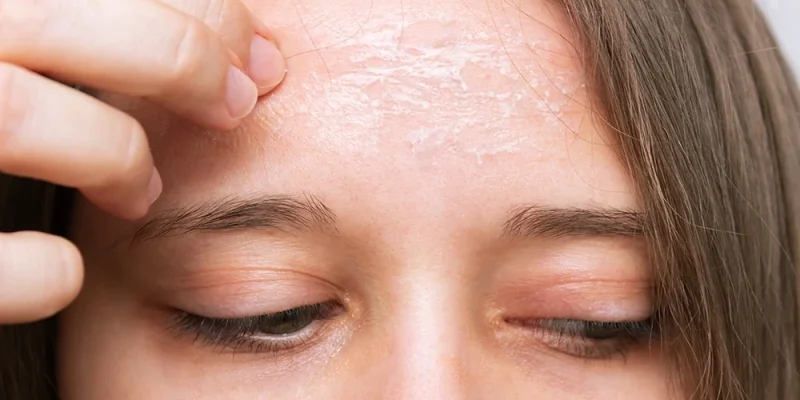
Your skin looks tighter, feels warm, and may already be starting to flake. That post-peel window can make people nervous fast, especially after visiting a spa wellness clinic in Buffalo Grove, IL. You paid for a treatment at a med spa because you wanted clearer, smoother skin, then the healing starts and every little change can feel like a warning sign. A lot of the trouble that follows a peel does not come from the peel itself. It comes from what happens in the first few days after.
The core issue is simple. Freshly treated skin is more fragile, more reactive, and easier to irritate. The wrong cleanser, a little too much sun, or the urge to pick at peeling skin can turn a normal recovery into redness, dark marks, or a longer healing time. Most chemical peel aftercare mistakes are preventable, and that is good news if you are trying to protect your results.
Picking, Scrubbing, and Rushing the Peeling Process Damages Healing Skin
One of the most common mistakes after a chemical peel is trying to “help” the peeling along. You see loose skin around the mouth or cheeks; it catches on a towel, makeup looks uneven, and the temptation is strong to rub, exfoliate, or pull it off. That usually backfires.
Peeling skin is part of the normal renewal process. When you remove it too early, you expose skin that is not ready yet. That can lead to stinging, raw patches, prolonged redness, and in some cases post inflammatory hyperpigmentation, especially in deeper skin tones. The skin barrier is already stressed. Mechanical exfoliation adds more trauma when your skin needs less.
A gentler approach protects the outcome you wanted in the first place. Use a mild cleanser, lukewarm water, and your provider’s recommended moisturizer. Pat dry. Leave flakes alone. According to MedlinePlus guidance on chemical peels, skin commonly becomes red, dry, and peels after treatment, which is why careful aftercare matters.
Sun Exposure After A Chemical Peel Increases the Risk of Dark Spots
Freshly peeled skin and UV exposure are a bad mix. Even a short walk to your car, lunch on a patio, or sitting by a bright window can be enough to trigger trouble. You may not get an obvious burn, but you can still end up with uneven pigment that lasts much longer than the peeling itself.
This is one of the biggest post-peel errors because it often feels harmless in the moment. The redness fades a little, your skin starts to look better, and it is easy to assume the hard part is over. It is not. Skin remains more sensitive after a peel, and the healing phase is when pigment problems can start.
Daily sunscreen matters, but it is not the only step. A wide-brimmed hat, shade, and avoiding peak sun exposure give your skin a better chance to recover evenly. If your provider says to reapply sunscreen often, follow that exactly. If you are using active ingredients that increase sensitivity, be even more careful.
Using Harsh Skin Care Too Soon Can Trigger Irritation
A lot of people return to their usual routine too early because they do not want to lose progress. Retinoids, exfoliating acids, acne treatments, vitamin C serums, scrubs, cleansing brushes, and fragranced products can all sting and inflame recently peeled skin. That irritation can look like a breakout, a rash, or a burn, and it often leads people to add even more products, which makes it worse.
You do not need a long routine right now. You need a calm one. Cleanser, moisturizer, sunscreen, and only the products your provider cleared for use. If your skin feels tight, hot, or shiny in a raw way, that is not a sign to treat harder. It is a sign to scale back.
The NCBI overview of chemical peels explains that peel depth affects recovery and the risk of complications. That matters because a stronger peel usually means stricter aftercare. What worked after a light peel may be too much after a medium depth treatment.
Ignoring Warning Signs Delays Proper Care
Some discomfort is expected. Severe swelling, worsening pain, pus, crusting that spreads, fever, or blisters are not things to brush off. Neither is pigment that gets darker week after week. People often wait because they are afraid they are overreacting, or they assume every rough patch is part of normal healing.
This is where timing matters. A small problem can become a bigger one if you keep applying random products or wait for it to “settle down.” If something feels off, contact your provider. That is not being difficult. That is protecting your skin.
Chemical Peel Recovery Works Better With Simple Aftercare
| Aftercare Choice | What People Often Do | Likely Result | Better Option |
|---|---|---|---|
| Peeling skin | Pick, scrub, use exfoliants | Raw patches, irritation, dark marks | Let skin shed on its own, moisturize gently |
| Sun protection | Skip sunscreen, rely on brief exposure being “fine” | Hyperpigmentation, prolonged redness | Use broad-spectrum sunscreen, hat, and shade |
| Skin care routine | Restart retinoids and acids too early | Burning, barrier damage, breakouts | Stick to a basic routine until cleared |
| Signs of trouble | Wait too long, self-treat with random products | Delayed healing, more inflammation | Check in with your provider promptly |
Small Steps Prevent the Most Common Chemical Peel Complications
Protect the barrier. Use a gentle cleanser, bland moisturizer, and sunscreen only. Skip scrubs, acids, retinoids, acne spot treatments, and hot water until your provider tells you to restart them.
Keep your hands off your face. No picking, no rubbing with washcloths, no “just one little flake.” If the skin feels itchy or tight, add moisture instead of friction.
Track changes instead of guessing. Take a clear photo each day in the same light. If redness, swelling, pain, or discoloration is getting worse instead of better, reach out. That helps you spot a real pattern instead of relying on anxious guesswork.
Post-peel skin care mistakes are common because the healing stage looks messy before it looks better. That does not mean your treatment failed. It means your skin needs calm, patience, and a lighter hand than usual. When you respect the recovery process, your med spa treatment has a much better chance of giving you the smoother, brighter result you wanted.
If you are unsure whether your healing is on track, contact your med spa and ask for aftercare guidance before trying to fix it yourself.








Comments