
 By
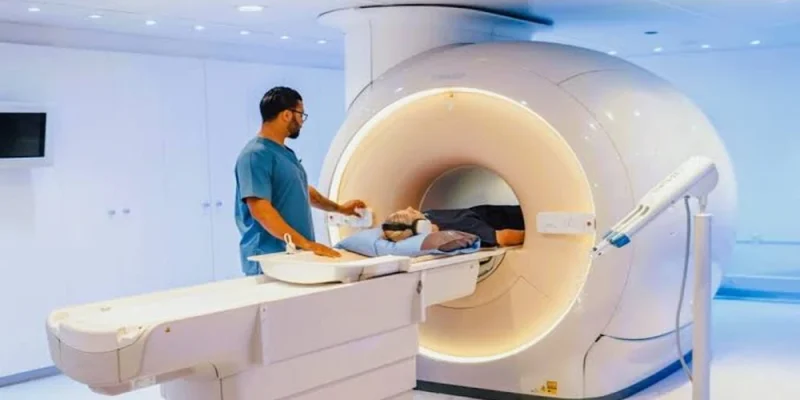
Living with diabetes requires vigilance not just over blood sugar levels, but also over the silent complications that can develop in multiple organ systems. While routine blood tests track glycemic control, they reveal little about structural changes occurring in the brain, heart, kidneys, and blood vessels. This is where advanced diagnostic imaging has fundamentally changed how physicians detect, monitor, and prevent the long-term complications of both type 1 and type 2 diabetes.
The Hidden Complications Standard Tests Miss
Diabetes affects nearly every organ system, yet many complications progress without obvious symptoms. Diabetic neuropathy may cause nerve damage years before pain manifests. Microvascular changes in the brain can accumulate silently, increasing stroke risk. Kidney function can decline substantially before standard creatinine tests show abnormalities. Cardiac tissue changes from prolonged hyperglycemia often go unnoticed until a serious event occurs.
Traditional monitoring relies heavily on HbA1c measurements, urine albumin tests, and basic cardiovascular assessments. These provide valuable metabolic snapshots but cannot visualize the structural damage that determines long-term outcomes. A patient with reasonably controlled blood sugar might still harbor significant vascular calcification, white matter lesions, or early heart muscle dysfunction that only imaging can reveal.
What Modern Imaging Reveals About Diabetic Organ Damage
Non-invasive imaging now allows physicians to assess diabetic complications with remarkable precision. Brain scans detect cerebral small vessel disease, white matter hyperintensities, and microinfarcts that correlate with cognitive decline and stroke risk. These findings help distinguish diabetes-related brain changes from other causes of cognitive impairment and guide preventive strategies.
Cardiac imaging identifies left ventricular hypertrophy, diastolic dysfunction, and myocardial fibrosis before heart failure symptoms emerge. Advanced techniques measure tissue characteristics that indicate early diabetic cardiomyopathy, a condition distinct from coronary artery disease but equally dangerous. Detecting these changes early creates opportunities for intervention that can slow or reverse progression.
Vascular imaging quantifies arterial stiffness, plaque burden, and stenosis throughout the circulatory system. In diabetes, atherosclerosis often develops more rapidly and in unusual patterns compared to non-diabetic patients. Imaging helps stratify cardiovascular risk more accurately than traditional scoring systems, which may underestimate danger in people with diabetes.
The Role of Advanced Scanning in Comprehensive Diabetes Care
Among the various imaging modalities available, magnetic resonance imaging stands out for its ability to assess soft tissue without radiation exposure. This technique excels at detecting subtle changes in organs vulnerable to diabetic damage, including brain tissue, cardiac muscle, liver, and major blood vessels. For patients requiring repeated monitoring over years or decades, the absence of ionizing radiation makes it particularly suitable for tracking disease progression.
Advanced facilities in regions known for medical excellence increasingly incorporate sophisticated imaging protocols into diabetes management programs. Abu Dhabi has emerged as a healthcare destination where patients can access comprehensive diagnostic services, including cutting-edge imaging technology paired with specialist interpretation. This integration of advanced diagnostics with endocrinology, cardiology, and neurology expertise allows for coordinated complication screening that might be difficult to arrange across separate facilities.
When Imaging Changes Treatment Strategy
Discovering asymptomatic complications through imaging often triggers therapeutic intensification. A patient found to have significant coronary calcification might move from moderate-intensity statin therapy to high-intensity treatment with added ezetimibe. Evidence of cerebral small vessel disease could prompt tighter blood pressure control, with targets lowered below standard recommendations.
Imaging also influences diabetes medication choices. Detecting early heart failure with preserved ejection fraction might favor SGLT2 inhibitors, which have proven benefits in this population. Finding non-alcoholic fatty liver disease could steer treatment toward GLP-1 receptor agonists, which show promise in reducing hepatic fat. These decisions rest on visualizing organ-specific complications that blood tests cannot reveal.
The timing of screening remains debated. Most guidelines recommend baseline cardiac imaging only for symptomatic patients or those with multiple risk factors, yet some specialists argue that broader screening catches disease at more treatable stages. Cost and resource considerations limit universal screening, but targeted use in high-risk populations appears increasingly justified by evidence showing that early detection improves outcomes.
Connecting Diabetes Prevention and Complication Monitoring
The same principles that guide complication screening in established diabetes apply to prevention in prediabetes. Individuals with impaired glucose tolerance already face elevated risks of cardiovascular and neurological complications, even before frank diabetes develops. Early intervention matters, whether through lifestyle modification or medical therapy. For those exploring different approaches, complementary and traditional medicine systems offer frameworks that emphasize prevention alongside conventional monitoring.
The philosophy behind complication screening extends beyond detecting existing damage. It creates accountability and motivation. Seeing actual images of vascular calcification or white matter disease often proves more impactful than abstract laboratory values. Patients may recommit to medication adherence, dietary changes, or exercise programs when confronted with visual evidence of how diabetes affects their organs. This psychological dimension adds value beyond the clinical information imaging provides.
Practical Considerations for Patients
Not everyone with diabetes requires immediate advanced imaging. Guidelines generally recommend complication screening based on diabetes duration, control quality, symptom presence, and concurrent risk factors. Someone newly diagnosed with well-controlled type 2 diabetes and no other health issues might not warrant brain or cardiac imaging, while a person with twenty years of poorly controlled diabetes, hypertension, and kidney disease almost certainly does.
Insurance coverage varies considerably. Some plans authorize imaging only when specific clinical indications exist, while others approve broader screening in high-risk populations. Patients should discuss both medical appropriateness and financial implications with their healthcare team before scheduling non-urgent scans. The conversation should weigh potential findings against costs, considering whether discovered abnormalities would actually change management.
Interpretation quality matters as much as image quality. A scan showing borderline abnormalities requires expert evaluation to determine clinical significance. Radiologists with specific experience in diabetic complications provide more nuanced assessments than general practitioners interpreting images alone. Access to multidisciplinary teams that integrate imaging findings with metabolic data and clinical presentation yields the most meaningful guidance.
Looking Forward
Imaging technology continues advancing rapidly. Artificial intelligence algorithms now assist in detecting subtle abnormalities that human readers might miss, particularly in large screening populations. Techniques measuring tissue composition and metabolic activity promise earlier detection of organ dysfunction. As costs decline and availability increases, the threshold for incorporating imaging into routine diabetes care will likely shift toward more proactive screening.
The ultimate goal remains preventing complications altogether through optimal glycemic control, blood pressure management, lipid treatment, and lifestyle intervention. When prevention falls short, however, advanced imaging provides the clearest window into how diabetes affects the body, enabling targeted interventions that preserve organ function and prevent catastrophic events. For patients willing to engage with this level of monitoring, modern diagnostic technology offers powerful tools for maintaining health despite living with a chronic metabolic condition.




Comments