
 By
By 
In today’s fast-paced world, stress has become an unavoidable part of life. While many people are aware of the mental and emotional toll it takes, fewer realize the direct connection between stress and skin health. Stress doesn’t just affect how we feel inside; it can also show up on our skin in the form of acne, inflammation, dryness, and premature aging. Understanding the skin-stress connection is key to managing both your mental well-being and complexion. Let’s explore how stress impacts your skin and ways to nurture both your mind and complexion for healthier living.
How Stress Impacts the Skin
Triggers Inflammation and Breakouts
One of the most common skin responses to stress is increased inflammation. When we experience stress, our bodies release cortisol, a hormone that can disrupt the skin’s natural barrier. Elevated cortisol levels can lead to an increase in oil production, resulting in clogged pores and acne breakouts. This is why many people notice a flare-up of acne during stressful periods, whether it’s from work pressure, family issues, or financial concerns.
Furthermore, stress-induced inflammation can exacerbate chronic skin conditions such as eczema, psoriasis, and rosacea, making the skin more sensitive and reactive.
Accelerates Premature Aging
Chronic stress can also contribute to premature skin aging. High levels of cortisol break down collagen and elastin, the proteins that keep the skin firm and youthful. Over time, this leads to wrinkles, fine lines, and sagging skin. In addition, stress reduces the skin’s ability to repair itself, leaving it more susceptible to environmental damage, such as UV rays and pollution.
Stress-induced oxidative stress, which occurs when free radicals overwhelm the skin’s ability to repair, further accelerates the aging process, contributing to dullness and loss of elasticity.
Causes Dryness and Dehydration
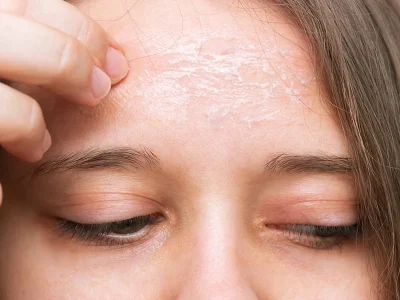
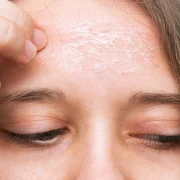
When we’re stressed, our bodies prioritize vital organs over the skin, leading to reduced blood flow and less moisture reaching the skin. This often results in dryness and dehydration. A compromised skin barrier can no longer retain moisture effectively, leaving the complexion feeling tight, flaky, and uncomfortable.
Dryness can also make the skin more vulnerable to irritants, leading to redness and sensitivity.

Exacerbates Dark Circles and Puffiness
A lack of sleep is a common side effect of stress, and it quickly shows up on your face. Dark circles and puffiness around the eyes are often a telltale sign of sleep deprivation, as stress interrupts the body’s natural sleep cycle. During deep sleep, the body repairs and rejuvenates skin cells, but when stress disrupts this process, it leads to a tired, dull appearance. This fatigue not only affects how we feel but also how we look, making the skin appear older and more fatigued.
The Role of Mental Health in Skincare
Managing stress and mental health isn’t just about feeling better emotionally—it’s also crucial for maintaining healthy skin. Taking care of your mental well-being can significantly reduce the physical effects stress has on your complexion. Here are some strategies to help both your mind and skin.
Tips to Manage Stress and Improve Your Skin
Practice Mindfulness and Relaxation Techniques
Mindfulness practices, such as meditation, deep breathing, and yoga, can help lower stress levels and improve overall mental health. By reducing cortisol levels, these relaxation techniques can help prevent inflammation and breakouts, while also encouraging better sleep patterns for a rejuvenated complexion.
Prioritize Sleep
Good-quality sleep is vital for skin regeneration. Aim for 7-8 hours of sleep each night to give your skin the time it needs to heal and recover from daily stressors. Establishing a calming bedtime routine, such as limiting screen time and using calming scents like lavender, can improve your sleep quality and help reduce signs of stress on your skin.
Incorporate Stress-Relieving Skincare
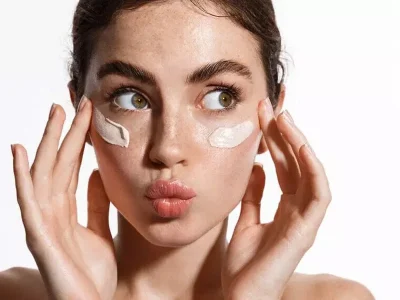
While skincare alone won’t solve stress-related skin issues, incorporating calming ingredients into your routine can help. Look for products containing soothing ingredients like chamomile, aloe vera, and green tea extract, which can help reduce inflammation and provide hydration. Hyaluronic acid is another powerful ingredient to maintain hydration levels when your skin is stressed.
Stay Hydrated and Eat a Balanced Diet
Hydration plays a crucial role in maintaining skin health. Drinking enough water throughout the day helps flush out toxins and keeps your skin plump and healthy. Additionally, eating a balanced diet rich in antioxidants, vitamins, and omega-3 fatty acids can support your skin from the inside out. Foods like salmon, berries, and leafy greens can help reduce inflammation and promote a clearer complexion.
Exercise Regularly
Exercise is a natural stress reliever that also benefits your skin. Physical activity boosts circulation, delivering oxygen and nutrients to the skin while promoting detoxification through sweat. Regular exercise can also help balance cortisol levels, improving both your mood and your complexion.
The Future of Stress-Related Skincare
As the connection between mental health and skin health becomes clearer, more skincare brands are developing products that address both. From adaptogenic skincare products that help the skin respond to stress, to personalized skincare routines tailored to emotional well-being, the future of skincare is rapidly evolving to include mental wellness as a critical factor. Brands are focusing on holistic approaches that nurture both the mind and the skin, offering consumers solutions that address the root cause of their skin concerns.
Conclusion
The skin-stress connection is undeniable, and understanding how mental health affects your complexion can be a game-changer for your skincare routine. By managing stress through mindfulness, proper sleep, exercise, and a nourishing skincare regimen, you can reduce the negative effects of stress on your skin and improve both your mental and physical well-being. Taking care of your mental health is just as important as using the right products for your skin—it’s the ultimate beauty secret for a glowing, youthful complexion.





Comments