
 By
By 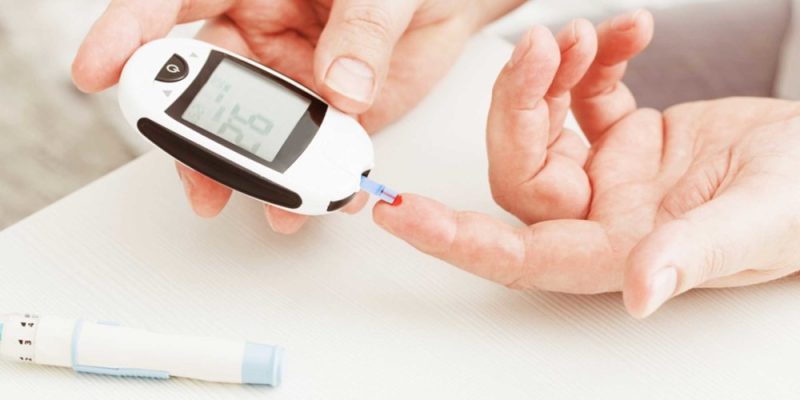
Diabetes treatment explained in simple terms, covering medicines, lifestyle changes, and daily habits that support healthy blood sugar.
Diabetes treatment focuses on controlling blood sugar through lifestyle changes, medications, and daily monitoring. With the right plan, people with diabetes can stay active, avoid complications, and live full, healthy lives using practical, doctor-guided strategies.
Have you ever wondered why two people with diabetes can follow different plans and still do well? That’s because diabetes is personal, and treatment is never one-size-fits-all. The good news is that modern care offers many safe and effective keeping-blood-sugar-in-range options 😊.
Diabetes affects how your body uses sugar for energy. When blood sugar stays high, it can quietly damage your heart, nerves, eyes, and kidneys. That’s why early action and consistent care matter more than quick fixes.
Many people search for diabetes treatment because they want clear, simple steps that actually work.
Others look for diabetes management strategies that fit real life, not rigid rules or fear-based advice.
Diabetes Treatment Explained Simply 🩺
Diabetes treatment means keeping blood sugar within a healthy range every day. It combines food choices, physical activity, medications, and regular checkups. The goal is stability, not perfection, and progress happens step by step.
Most treatment plans evolve over time. What works today may need adjusting later. That flexibility is a strength, not a weakness, and it helps prevent long-term problems.
Understanding Diabetes And Blood Sugar 🔍
Diabetes happens when the body cannot use insulin properly or make enough of it. Insulin helps move sugar from the blood into cells for energy. Without enough insulin action, sugar builds up in the bloodstream.
High blood sugar over time can cause fatigue, thirst, blurry vision, and slow healing. Many people feel fine at first, which is why regular testing matters. Knowing what’s happening inside your body gives you control 💪.
Types Of Diabetes That Affect Treatment Paths 🧠
Type 1 diabetes requires insulin because the body stops making it. Type 2 diabetes often starts with insulin resistance and may be managed with lifestyle changes and medications. Gestational diabetes happens during pregnancy and usually goes away after birth.
Each type needs a different approach. That’s why diagnosis matters so much. The right plan starts with knowing which type you have.
Main Goals Of Modern Diabetes Care 🎯
The first goal is steady blood sugar, not wild ups and downs. Another goal is reducing the risk of heart disease, nerve damage, and vision problems. Feeling energetic and mentally well also matters.
Good treatment supports daily life instead of controlling it. You should feel informed, not overwhelmed. A clear plan brings confidence and peace of mind 🌱.
Lifestyle Changes That Support Blood Sugar 🌿
Lifestyle habits form the base of every treatment plan. Small changes done daily work better than extreme rules. Consistency beats intensity every time.
Helpful habits include:
- Eating balanced meals
- Staying active most days
- Sleeping well
- Managing stress
These habits improve insulin use naturally. They also support long-term health beyond diabetes.
Healthy Eating Without Feeling Restricted 🍽️
Eating well with diabetes does not mean giving up favorite foods. It means learning balance and portion awareness. Meals with fiber, protein, and healthy fats slow sugar spikes.
Simple tips that help:
- Fill half your plate with vegetables
- Choose whole grains over refined ones
- Limit sugary drinks
A flexible eating style is easier to stick with. That makes success more likely over time 😊.
Physical Activity As A Natural Regulator 🚶♂️
Movement helps cells use sugar better. Even a short walk after meals can lower blood glucose. You don’t need a gym or intense workouts.
Great options include:
- Brisk walking
- Cycling
- Swimming
- Light strength training
Aim for consistency, not perfection. Any movement is better than none.
Oral Medications And How They Work 💊
Oral diabetes medications help lower blood sugar in different ways. Some improve insulin sensitivity, while others reduce sugar production in the liver. Doctors choose them based on your needs and health history.
Medications work best when paired with healthy habits. They are tools, not shortcuts. Taking them as prescribed builds steady control.
Common Medication Effects Overview
|
Medication Type |
Main Benefit |
Typical Use |
|---|---|---|
|
Insulin Sensitizers |
Improves insulin response |
Type 2 diabetes |
|
Sugar Absorption Blockers |
Slows digestion of carbs |
After meals |
|
Liver Sugar Reducers |
Lowers sugar release |
Daily control |
Insulin Therapy And When It’s Needed 💉
Insulin is essential for people with Type 1 diabetes. Some with Type 2 also need it over time. Using insulin is not a failure; it’s effective treatment.
Modern insulin options are more flexible than before. Pens and pumps make dosing easier. With guidance, insulin becomes a helpful ally, not something to fear.
Monitoring Blood Sugar At Home 📊
Checking blood sugar shows how food, activity, and medicine affect you. It turns guesswork into clear feedback. That helps you make smarter daily choices.
Many people test once or several times daily. Your doctor will guide you on timing. Tracking patterns matters more than single numbers.
Continuous Glucose Monitoring Benefits 📱
Continuous glucose monitors track sugar levels all day. They show trends, not just snapshots. This helps prevent highs and lows before they happen.
Benefits include:
- Fewer finger pricks
- Real-time alerts
- Better awareness
Technology adds convenience and confidence. It supports better decisions with less stress 😊.
Monitoring Methods Compared
|
Method |
Best For |
Key Advantage |
|---|---|---|
|
Finger Stick |
Spot checks |
Low cost |
|
CGM Devices |
Ongoing trends |
Real-time alerts |
Managing Stress And Emotional Health 💬
Stress raises blood sugar by triggering hormone release. Long-term stress makes control harder. Emotional health is part of treatment, not extra.
Helpful strategies include breathing exercises, hobbies, and support groups. Talking openly with healthcare providers helps too. A calm mind supports a healthier body 🌸.
Preventing Complications Early 🛡️
Good control lowers the risk of nerve, eye, and kidney damage. Regular checkups catch issues early. Early action often prevents serious problems.
Key prevention steps include:
- Annual eye exams
- Foot checks
- Blood pressure control
Prevention saves energy, money, and quality of life.
Personalized Care Plans With Doctors 👩⚕️
Every person’s diabetes journey is different. Doctors adjust plans based on age, lifestyle, and other conditions. Honest communication improves outcomes.
Bring questions to appointments. Share what’s working and what isn’t. Treatment works best when it fits real life.
Treatment Components At A Glance
|
Component |
Purpose |
Frequency |
|---|---|---|
|
Lifestyle Habits |
Daily control |
Every day |
|
Medication |
Sugar balance |
As prescribed |
|
Monitoring |
Track patterns |
Daily or weekly |
New Advances In Diabetes Treatment 🚀
Research keeps improving care options. New medications offer better control with fewer side effects. Technology continues to simplify daily routines.
These advances mean more choices and better outcomes. Staying informed helps you and your doctor adjust plans confidently.
Living Well With Diabetes Long Term 🌈
Diabetes is a long-term condition, not a life sentence. Many people live active, happy lives with good care. Knowledge and consistency make the difference.
Focus on progress, not perfection. Celebrate small wins. Each healthy choice adds up over time.
Conclusion: A Clear Path Forward 🌟
Diabetes treatment works best when it’s simple, consistent, and personal. Combining healthy habits, the right medications, and regular monitoring creates steady control. With the right support, living well with diabetes is absolutely achievable.
FAQs
How can diabetes be treated naturally at home?
Natural care focuses on healthy eating, regular activity, and stress control. These habits improve insulin use. Always pair them with medical guidance.
What is the safest treatment for Type 2 diabetes?
The safest plan combines lifestyle changes with doctor-prescribed medication. It adapts over time. Safety comes from consistency and monitoring.
Can diabetes treatment change over time?
Yes, treatment often changes as the body changes. Adjustments are normal. Regular checkups help guide updates.
Is insulin therapy permanent once started?
Not always for Type 2 diabetes. Some people reduce or stop insulin with improved control. Decisions depend on individual health.
How long does it take to control blood sugar levels?
Many see improvement within weeks. Full stability may take months. Steady habits bring lasting results.









Comments