
 By
By 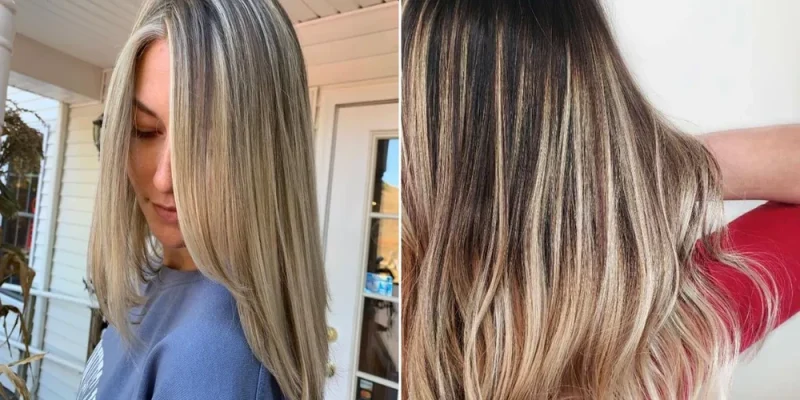
Achieving flawless hair at the lightest blonde shades is as much about science as it is about style. If your hair (or your client’s hair) is sitting at a color level above eight, especially the icy realms of levels nine to twelve, you know how quickly things can go from luminous to brassy, or worse, uneven. The secret to managing both the look and health of ultra-light hair often comes down to how you mix and apply professional hair treatments.
What Are Hair Color Levels and Why Do They Matter for Treatments?
Hair color isn’t just about shades; it’s about levels. Levels one through twelve represent the spectrum from black (1) to palest blonde (12). As you move above level eight, hair becomes more porous, delicate, and prone to developing unwanted tones, especially yellow or brassy hues.
Understanding Hair Color Levels Above Eight
Levels nine through twelve are those high-lift blondes, platinum, and silvery shades that are prone to fading or color shifts. At these levels, the hair’s structure is more exposed, which means treatments and aftercare need a customized approach.
How Color Levels Affect Hair Treatment Choices
Light hair is more likely to react strongly to treatments intended for darker shades. Products that work wonders for brunettes or medium blondes can be too intense for pale blondes, causing color shifts or even damage. This is why professional product lines differentiate their recommendations based on these levels.
Why Mix Hair Treatments for High Color Levels?
There’s a reason top stylists don’t just reach for one bottle when treating high-level blondes. The interplay between pigment, protein, and moisture is different at these lightest shades.
The Role of Purple and White Treatment Systems
In the case of the ProAddiction system, there are two main options: purple and white. Both use the same core formula to control frizz and restructure the hair, but the purple system includes violet pigments designed to neutralize brassy or yellow tones. For levels one through eight, using the purple treatment alone is recommended.
Benefits of Mixing Treatments for Levels 9-12
For pale blondes (levels nine through twelve), the recommendation shifts: mix purple and white treatments together, with up to 30% of the white variety. This combination dilutes the violet pigment just enough to avoid over-toning while still delivering all the smoothing and strengthening benefits.
How to Properly Mix Purple and White Treatments
Getting the mix right isn’t just about measuring, it’s about understanding the hair in front of you.
Recommended Mixing Ratios and Guidelines
– For levels 9-12: Use up to 30% white treatment mixed with purple. This ensures pigment correction without risking a purple or dull cast.
– Never use the white treatment alone at these light levels, as it lacks the pigments needed to keep brass at bay.
Avoiding Color Changes with the Right Mix
A common mistake? Skipping the purple entirely. Without those neutralizing pigments, yellow undertones quickly resurface, especially after heat styling. If you mix with more than 30% white, you risk diluting the pigment too far, resulting in uneven tone correction.
Step-by-Step Application Process for Mixed Treatments
Preparing Hair Before Treatment
Start with hair that’s been clarified (especially if there’s product buildup). For levels one to five, a single clarifying shampoo is enough; for higher levels, proceed gently to avoid over-drying.
Applying the Mixture Correctly
Apply the mixed treatment section by section, focusing on thin layers for even saturation. Work quickly but carefully to avoid patchiness.
Heat Processing Tips and Flat Iron Techniques
Set your flat iron to 450°F (230°C). Use thin (about ¼ inch) sections so the heat penetrates thoroughly. The number and speed of passes matter: work with slow, steady movements to ensure proper restructuring and frizz control.
Post-Treatment Care and Maintenance
Why Shampooing After Treatment Is Essential
After flat ironing, always shampoo the hair. This balances pH and removes any residue from the acidic treatment, safeguarding both color and hair health.
Using Hydrating Masks to Maintain Hair Health
Follow up with a hydrating mask, such as those recommended with the ProAddiction hair frizz control treatment. This step locks in moisture and helps prevent the dryness that can cause breakage or frizz.
Swimming and Treatment Longevity
Chlorine and salt water can open the hair cuticle and lead to rapid dryness and frizz, even after treatment. To protect your results, apply a hydrating mask for ten minutes after every swim.
Frequently Asked Questions About Mixing Treatments
Can the White Treatment Be Used Alone?
No, especially at high color levels. The white treatment alone lacks pigment, so it won’t neutralize yellow or brassy tones and may cause unwanted color changes.
Is the Treatment Permanent?
ProAddiction permanently changes the hair’s internal structure, leading to frizz-free results. However, some frizz may gradually return over time.
Safety Considerations, Including Pregnancy Advice
The formula is non-toxic and formaldehyde-free, but it has not been tested on pregnant or nursing women. Always consult a physician before use in these cases.
How to Handle Regrowth Treatments
Focus the treatment on regrowth only. Before rinsing, gently emulsify through the rest of the hair for a few minutes for even texture.
Best Practices for Coloring and Highlighting with Mixed Treatments
When to Color or Highlight Relative to Treatment
Always perform the ProAddiction treatment before dyeing the hair. If highlights or bleaching are planned, do them first, followed by the treatment.
How Treatment Affects Hair Porosity and Color Retention
The restructuring effect of the treatment helps create a smoother, less porous hair surface, often enhancing color retention post-dye.
Consulting Your Client: Customizing Treatment for Desired Results
Understanding what your client truly wants is half the job. Not everyone seeks pin-straight strands; some want to retain curl while eliminating frizz. Take time to discuss goals and customize the treatment mix and technique for each individual, because even at level twelve, every blonde is different.



Comments