
 By

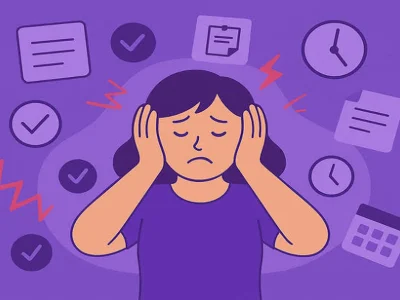
You probably know the feeling. Life gets busy, your teeth feel fine, and a dental visit slips down the list until something hurts. By that point, the appointment can feel tense, expensive, and rushed. That cycle wears on people. It also makes it harder to feel calm with any provider, because care starts to feel tied to bad news. That’s why personalized dental care for Willingboro families can make such a difference.
The role of preventive visits in building patient trust is simple and powerful. Regular checkups give you a chance to be seen before there is a problem, ask questions without pressure, and learn how your dentist thinks about your health. Trust rarely appears in one dramatic moment. It grows when care is steady, clear, and respectful over time.
Preventive dental visits create trust before treatment is needed
When most contact with a dentist happens during pain, trust has to compete with fear. You are sitting in the chair already worried about cost, time, and what comes next. That is not the easiest moment to build confidence.
Preventive dental visits change the tone. A routine exam and cleaning are lower stakes, which gives space for a real relationship. Your dentist can notice early gum changes, small cavities, grinding, or worn fillings before they turn into bigger problems. You can also notice things that matter just as much. Do they explain findings in plain language? Do they listen when you describe sensitivity? Do they offer options instead of pushing one path?
This is one reason preventive care matters so much across healthcare. The patient centered medical home model is built around coordinated, ongoing care that strengthens relationships and improves communication. Dentistry works the same way in practice. Familiarity lowers stress, and lower stress makes it easier to trust clinical advice.
Consistent checkups reduce fear, confusion, and surprise costs
Trust breaks down fast when care feels unpredictable. If you skip visits for years, a small issue can become a crown, a root canal, or treatment for gum disease. The problem is not only the procedure itself. It is the shock of hearing that more work is needed than you expected.
That is where routine preventive appointments help. They create a record of your oral health over time. Your dentist can track change, show you what is stable, and explain what needs attention next. Instead of hearing, “You need several procedures,” you are more likely to hear, “This area has started to weaken, and here are your options.” That difference matters. It gives you time to think, budget, and make decisions without feeling cornered.
Preventive care also supports the kind of continuity that large health systems now prioritize. The Centers for Medicare and Medicaid Services highlights primary care as a foundation for better health outcomes, with ongoing relationships and earlier intervention at the center. Dental care benefits from that same pattern. When visits are regular, advice feels less like a sales pitch and more like a plan built around your needs.
Trust grows when preventive care feels personal instead of transactional
People can tell when they are being processed. A quick cleaning, a list of recommendations, and out the door does not leave much room for trust. What builds confidence is personalization. Maybe you clench your jaw during stressful weeks. Maybe you have dry mouth from medication. Maybe you have avoided care because of a bad experience years ago. Those details shape good dentistry.
Preventive visits give your dentist repeated chances to respond to you as a whole person, not just a set of teeth. They can adjust the pace of care, suggest home habits that fit your routine, and help you understand how oral health connects to the rest of your body. Medicare’s guidance on annual wellness visits reflects the same principle in medicine. Prevention is not only about screenings. It is about building a relationship where concerns are caught early and discussed openly.
Preventive care versus problem only care
| Care Pattern | What It Often Feels Like | Likely Outcome | Effect on Trust |
|---|---|---|---|
| Regular preventive visits | Calmer, more predictable, less rushed | Earlier detection, simpler treatment, clearer planning | Trust grows through consistency and communication |
| Visits only when pain starts | Urgent, stressful, financially tense | More advanced problems, higher costs, fewer options | Trust is harder to build under pressure |
| Long gaps between appointments | Uncertainty about what has changed | Surprise findings, delayed treatment, more discomfort | Confidence drops when care feels unpredictable |
This is the real value of a general dentist in preventive care. You are not just checking a box. You are building a history with someone who can spot patterns, explain changes, and help you act early. That makes care feel steadier and far less intimidating.
Three steps that help you build trust through dental prevention
Schedule before there is a problem. The best time to judge whether a dentist is a good fit is when you are not in pain. A low pressure visit gives you room to notice communication style, office flow, and whether your concerns are taken seriously.
Bring up small concerns early. Mention bleeding gums, sensitivity, bad breath, clenching, or a filling that feels different. Small details often lead to early fixes. They also show you how your dentist responds when the issue is minor, which says a lot about how they will respond when something bigger comes up.
Ask for a clear plan in plain language. If treatment is recommended, ask what is needed now, what can wait, and what prevention at home would help. Good trust is not blind trust. It is trust supported by clear explanations and realistic next steps.
Steady preventive visits make dental care feel safer
If dental visits have felt stressful, you are not alone. Many people do not need more pressure. They need a setting where care is consistent, understandable, and respectful. That is why patient trust through preventive care matters so much. The relationship gets stronger before a crisis, and that changes everything about how treatment feels when you do need it.
With a general dentist, preventive visits are often where confidence begins. They turn care from a reaction into a relationship, and that relationship is what helps you stay informed, calm, and better protected over time.









Comments