
 By
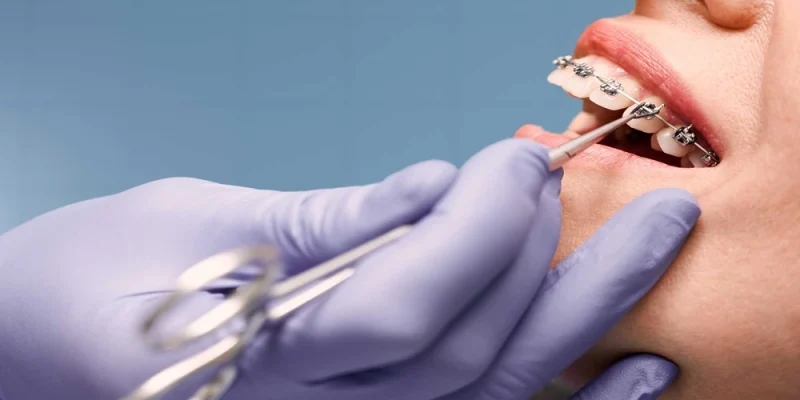
Your calendar is full before breakfast. School drop off, work calls, sports practice, grocery runs, and the usual surprise sick day can make dental care feel like one more thing you have to squeeze in. When your child mentions a tooth that hurts or you realize everyone is overdue for a cleaning, the stress builds fast. You are not disorganized. You are managing a lot, and oral health often gets pushed aside because it rarely feels urgent until it suddenly is. That is why many families look for minimally invasive dentistry in Falls Church to make care simpler and less stressful.
That is where a family dental office can make life easier. Instead of juggling separate providers, different appointment systems, and care plans that do not line up, you get one place that understands how families actually live. 6 Ways A Family Dentist Can Simplify Care For Busy Parents comes down to fewer moving parts, better routines, and less scrambling when something goes wrong.
A family dentist reduces the chaos of separate dental schedules
One of the biggest problems for parents is not the cleaning itself. It is the planning around it. A pediatric visit for one child, an adult exam for you, a different office for your partner, and another call to arrange follow up care can turn one task into four. When each office has its own hours, policies, and reminders, things slip.
A family dentist often treats children, teens, and adults in one practice, which makes scheduling far less messy. You can book back to back visits or even same day appointments for multiple family members. That means fewer trips across town, less time off work, and fewer afternoons lost in waiting rooms.
If you have ever tried to explain one child’s dental history to a new office while answering emails from your phone, you already know how draining fragmented care can be. One office with one record system lowers that burden right away.
Consistent preventive care helps you avoid last minute dental problems
Busy parents often live in reaction mode. If nothing hurts, the appointment gets delayed. The problem is that cavities and gum issues do not wait for a better week. Small issues become painful ones, and painful ones usually show up at the worst time, right before a trip, during exam week, or on a Sunday night.
Routine care is what keeps dental health from turning into a crisis. A family provider can track each person’s timing for exams, cleanings, sealants, fluoride, and X rays, then remind you before overdue care turns into a bigger problem. The CDC’s oral health tips for children stress the value of daily prevention and regular professional care, especially as kids grow and their habits change.
That kind of consistency matters because children’s needs shift quickly. A toddler learning to brush has different needs than a teen with braces or an adult dealing with gum sensitivity. A family practice can follow those changes without forcing you to start over each time.
A dental home gives children and parents more stability
Some kids walk into a dental office without a second thought. Others shut down the moment they hear the word cleaning. If your child gets nervous, seeing the same team over time can make a real difference. Familiar faces, a known routine, and a dentist who remembers your child’s worries can lower fear and make visits smoother.
The American Academy of Pediatric Dentistry supports the idea of a dental home, which means an ongoing relationship with a provider who knows your child and coordinates care over time. For parents, that stability matters too. You spend less time repeating concerns and more time getting practical guidance that fits your family.
This is one reason many parents prefer family dental care for busy parents over bouncing between offices. Comfort grows with familiarity, and familiar care tends to be easier to keep up with.
One provider can spot patterns across the whole family
Dental habits often run through a household. The child who snacks often may be following the same pattern as the parent who skips lunch and sips coffee all afternoon. Teeth grinding, dry mouth, crowding, and cavity risk can show up in more than one family member. When one provider sees everyone, those patterns are easier to catch.
That can lead to more useful advice. Instead of generic instructions, you may get suggestions that fit your actual routine, such as changing bedtime brushing order, using a different toothpaste for a child with sensitivity, or planning orthodontic evaluations at the right age. The MedlinePlus guide to child dental health also outlines common issues parents should watch for, from early decay to injury prevention.
Good care gets simpler when advice connects to real life. That is the practical strength of a household dental provider.
Family dentistry can save time and lower hidden costs
Parents often focus on the cost of the appointment itself, but the hidden costs are what add up. Missed work, extra gas, duplicate paperwork, emergency visits, and untreated problems that turn into bigger procedures all take a toll. Preventive care usually costs less than restorative care, and coordinated care usually costs less than disorganized care.
| Care Approach | What It Often Looks Like | Likely Impact on Parents |
|---|---|---|
| Separate dental offices | Different schedules, records, and treatment plans | More calls, more trips, more missed work, higher chance of overdue care |
| family oral health care | Shared scheduling, one team, care for multiple ages | Less coordination stress, easier follow up, better routine care |
| Reactive care only | Appointments made after pain or visible problems | More emergencies, higher treatment costs, more disruption |
Three steps you can take right away
1. Put every family member on the same dental calendar. Check who is overdue, then aim for one office that can handle most or all of those appointments. Even if visits cannot happen on the same day, getting them into one system cuts down on mental clutter.
2. Build one simple home routine. Keep brushing and flossing supplies easy to reach, and tie oral care to habits that already happen, such as pajamas and school prep. A routine that happens most days beats a perfect plan that never sticks.
3. Ask for a long term prevention plan. At the next visit, ask what each person needs over the next year, not just today. Cleanings, sealants, fluoride, orthodontic timing, and risk factors are easier to manage when you can see the road ahead.
Steady dental care makes family life feel more manageable
You do not need a flawless system. You need one that reduces friction and helps your family stay on track without adding more stress. A family dentist can do that by simplifying scheduling, keeping care consistent, and catching small issues before they become painful and expensive. When dental care fits your real life, it is much easier to keep going.
If your family’s dental routine feels scattered, now is a good time to make it easier with one trusted family dentist.








Comments