
 By
By 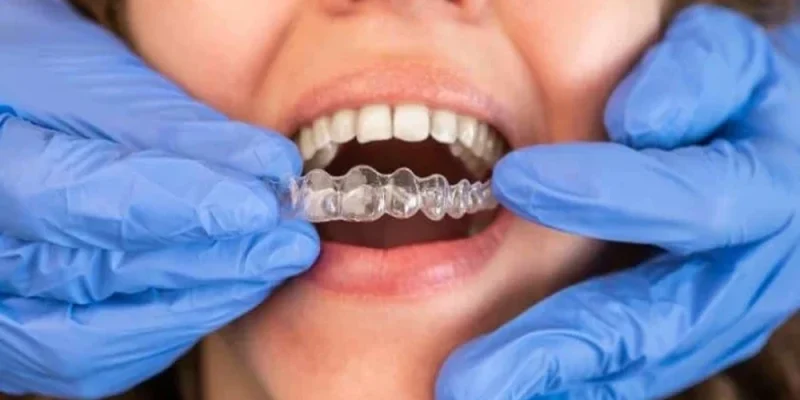
You might be wearing your aligners, trying to stay on schedule, and still wondering if everything is moving the way it should. That feeling is common. Clear aligner treatment can look simple from the outside, but when you are the one changing trays, watching your teeth, and hoping you are on track, it can bring a quiet kind of stress. You want progress, but you also want reassurance from an orthodontist in Chicago, IL.
That is where virtual monitoring can help. In simple terms, virtual dental check ins let your orthodontist review your progress from a distance by using photos, scans, and online follow ups. For many patients, it means fewer office trips, faster answers, and a better sense of control. It does not replace every in person visit, but it can make remote aligner checkups feel more manageable and more connected to professional care.
Why do clear aligner patients need virtual dental check ins at all?
At first, clear aligners can seem easy. You wear them, switch to the next set, and wait for the changes to show up. But teeth do not always move on a perfect timeline. Sometimes an aligner feels tight for longer than expected. Sometimes a tray does not seat fully. Sometimes a patient thinks, “It probably looks fine,” while a trained eye would spot a problem early.
Because of this tension, you might wonder whether a quick message or photo is enough. In many cases, it can be a useful first step. During virtual orthodontic check ins, patients usually upload photos of their teeth from several angles, answer a few questions about fit and comfort, and send updates on wear time. The orthodontist then reviews those details to see whether treatment is tracking well or whether an in person visit is needed.
This approach fits with the broader use of teledentistry in orthodontic care. The University of Illinois Chicago explains that orthodontic services covered in teledentistry can include follow up evaluations and treatment monitoring, which is often exactly what clear aligner patients need between office appointments.
What actually happens during a virtual aligner follow up?
Most virtual check ins follow a simple pattern. First, you receive instructions from your orthodontist on when to submit updates. That may be every week, every few weeks, or around the time you are supposed to change trays. Then you take clear photos, often using your phone, and upload them through a secure app or patient portal.
Your orthodontist looks for signs that your teeth are tracking as planned. Are the aligners fitting snugly along the gumline? Are there gaps between the tray and the teeth? Is there crowding, rotation, or bite change that needs a closer look? You may also be asked whether you are wearing the aligners for the recommended number of hours each day, since treatment depends heavily on steady use.
If all looks good, you may be told to continue with your current tray or move to the next one. If something seems off, your orthodontist may ask for more images, suggest using chewies, delay your tray change, or bring you in for an office visit. So, where does that leave you? It means the virtual visit is not guesswork. It is a screening and monitoring tool guided by professional judgment.
The FDA notes that clear aligners and modern braces have changed how orthodontic treatment looks and feels, but the need for supervision has not gone away. Treatment may be more discreet now, yet it still works best when a licensed orthodontist tracks progress and catches issues early.
What can go wrong if clear aligner treatment is not monitored well?
This is the part many people do not think about until there is a problem. If an aligner is not fitting right and no one notices, teeth may stop tracking. That can lead to delays, extra refinement trays, added cost, or changes in the final result. In some cases, patients may also miss signs of gum irritation, bite problems, or tooth movement that needs closer evaluation.
Research in the NCBI overview of clear aligner therapy points out that patient compliance and case selection matter a great deal. That matters because even a good treatment plan can fall off course if aligners are not worn properly or if the case needs adjustments along the way.
Think about a common example. A patient changes trays on time but starts seeing a small space between the plastic and one front tooth. It does not hurt, so they ignore it. Weeks later, the fit is worse, and now the next trays do not work well either. A short virtual review might have caught that early enough to keep treatment moving.
How do virtual check ins compare with in person orthodontist visits?
Virtual care can save time and reduce unnecessary office trips, but it is not meant to replace every hands on appointment. Some parts of orthodontic treatment still require direct examination, X rays, attachments, refinements, or emergency care in person. The goal is balance, not replacement.
| Feature | Virtual Check In | In Person Visit |
|---|---|---|
| Best for | Progress reviews, tray fit questions, routine monitoring | Attachments, scans, refinements, emergencies, complex concerns |
| Time commitment | Usually shorter, often done from home | Travel and appointment time required |
| What the orthodontist can assess | Visible tooth movement, aligner seating, basic symptoms | Full clinical exam, bite feel, soft tissue, imaging, detailed adjustments |
| Convenience | High for busy schedules | Lower, but needed for certain stages |
| Limits | Depends on photo quality and patient follow through | Less convenient, but more complete |
What can you do right now to make virtual orthodontic care work better?
1. Take better progress photos.
Good lighting matters. Clean aligners matter. Clear angles matter. If your orthodontist cannot see what is happening, the check in becomes less useful. Follow the photo instructions closely, and retake blurry images before submitting them.
2. Be honest about wear time and symptoms.
If you have not been wearing your trays enough, say so. If one side hurts, if a tray lifts, or if your bite feels strange, mention it. A virtual appointment only works when your orthodontist gets the full picture. Hiding small issues often turns them into bigger ones.
3. Know when to ask for an in person visit.
If an aligner will not seat, if a button or attachment comes off, if you have swelling, or if pain feels sharp or unusual, do not wait too long. Clear aligner treatment still needs hands on care at times, and asking for help early can save weeks of frustration.
Can virtual dental check ins make clear aligner treatment feel easier?
For many patients, yes. They add structure, reassurance, and a way to stay connected without constant office visits. If you have been feeling unsure about whether your treatment is moving the way it should, that uncertainty does not have to sit in the background. A well run virtual follow up system can give you timely guidance while keeping your orthodontist involved in the process.
If you are considering aligners or already in treatment, ask an orthodontist how their virtual check in process works, when they use it, and when they prefer to see patients in person. Clear answers at the start can make the whole experience feel steadier, and a lot less stressful.








Comments