
 By
Why the ‘Everyone Needs Surgery’ Assumption Falls Apart
Most people assume wisdom teeth removal is a single, standardized procedure that looks the same for every patient who walks into an oral surgeon’s office. The common belief is that if a dentist mentions your wisdom teeth, you’re headed for sedation, a scalpel, and a week of swollen cheeks regardless of your specific situation. This assumption gets reinforced by stories from friends and family who had dramatic extraction experiences, so it feels like the default outcome rather than one possibility among several.
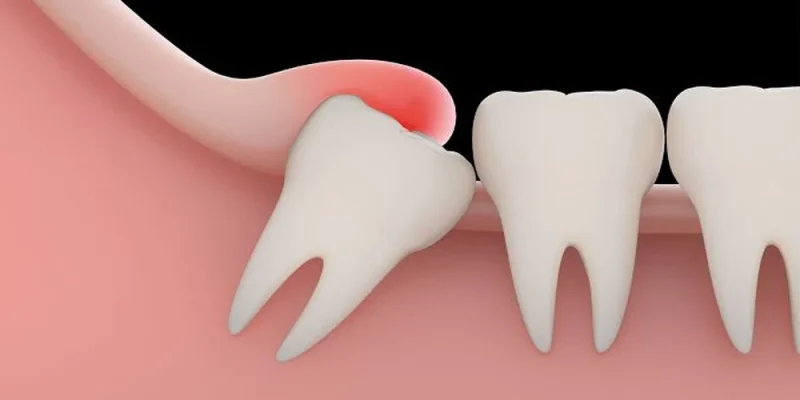
The truth is that wisdom teeth present in wildly different ways, and the right response depends heavily on how they’re positioned, whether they’ve partially erupted, and whether they’re causing actual problems. Some teeth sit comfortably in the jaw for decades without issue, while others crowd neighboring teeth or become trapped beneath gum tissue. Treating every case identically ignores the anatomy involved and often leads patients toward more invasive interventions than necessary. A tooth that’s fully erupted and functional calls for a completely different conversation than one that’s impacted at an angle against the roots of a neighboring molar.
Matching the Removal Method to the Actual Problem
Effective treatment starts with imaging, not assumptions. A panoramic X-ray or a 3D cone-beam scan gives a provider enough information to classify the tooth’s position, its proximity to nerves, and whether it’s likely to erupt on its own or needs intervention. This step alone eliminates a huge amount of unnecessary surgery, because plenty of teeth that look concerning on a basic exam turn out to be low-risk once properly imaged. Providers who skip this step and move straight to a surgical recommendation are often working from incomplete information.
Once the imaging is clear, the decision usually splits into a few realistic paths rather than one default surgery. Some patients are candidates for simple extraction under local anesthesia, which involves far less recovery time than people expect. Others, particularly those with teeth impacted below the gumline or angled against adjacent roots, genuinely need a surgical approach with sedation. Comparing these wisdom teeth removal options side by side with a knowledgeable provider, rather than accepting the first recommendation given, tends to produce better outcomes and fewer surprises during recovery. The difference between a fifteen-minute office visit and a more involved surgical appointment often comes down to details that aren’t obvious without a trained eye reviewing the scan.
Age plays a bigger role in this decision than most people realize. Bone density increases with age, and roots continue to develop and sometimes curve in ways that make later extractions more complicated. This is part of why younger patients, often in their late teens, tend to have more straightforward removals with quicker healing. Waiting years past the point when a dentist first flags a concern can turn what would have been a simple procedure into one requiring a more involved surgical approach.
Putting a Personalized Plan Into Practice
Translating this into an actual appointment starts with asking for a full explanation of what the imaging shows before agreeing to any procedure. Patients who ask specific questions about tooth angle, depth, and nerve proximity tend to get more thorough answers and a clearer sense of their real options. It helps to ask directly whether a tooth is a candidate for simple extraction or whether impaction makes surgical removal the safer route. Providers who are confident in their recommendation will walk through the reasoning rather than simply stating a conclusion.
Getting a second opinion before scheduling anything invasive is a reasonable step, particularly if a recommendation feels rushed or if cost pressures seem to be influencing the suggested approach. Oral surgeons and general dentists sometimes differ in how conservatively they treat borderline cases, and hearing two perspectives can clarify which path actually fits your anatomy. This doesn’t need to feel adversarial; most providers expect patients to ask questions and won’t be offended by a request for additional imaging review.
Recovery planning should also match the actual procedure rather than the worst-case scenario people imagine. A simple extraction might only require a day of rest and soft foods, while surgical removal of impacted teeth often calls for several days off work, prescribed pain management, and closer follow-up. Setting expectations based on your specific case, instead of generic advice, prevents both underestimating a tougher recovery and overpreparing for a procedure that turns out to be minor. Talking through the expected timeline with your provider before the appointment, including when stitches might dissolve and when normal eating can resume, removes a lot of the guesswork that makes this process feel more intimidating than it needs to be.







Comments