
 By
By 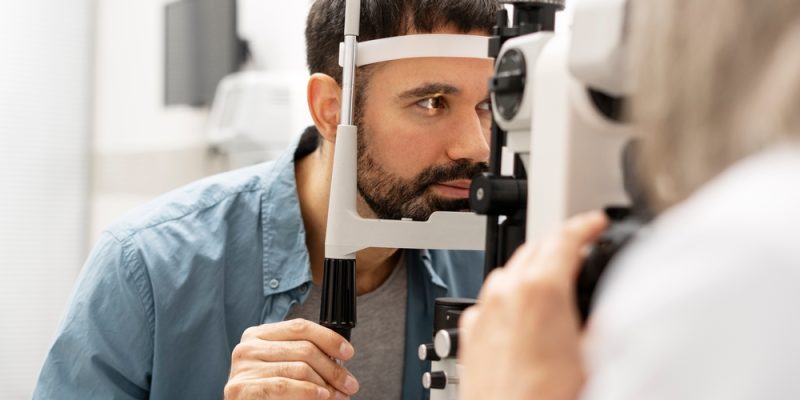
Your eyes often show the first warning signs of an autoimmune disorder. You may notice dry eyes, redness, light sensitivity, or blurred vision. You may ignore these changes or blame screens, age, or stress. Yet these symptoms can point to diseases that attack your joints, skin, nerves, or organs. Eye doctors study these patterns every day. They see blood vessel changes, swelling, and tiny spots of damage that other clinicians cannot see. An Austin eye doctor might be the first person to suspect lupus, rheumatoid arthritis, Sjögren’s syndrome, or multiple sclerosis. Early clues in your eyes can lead to faster tests, faster treatment, and less long term damage. Regular eye exams protect more than sight. They can protect your energy, your movement, and your daily life. You deserve clear answers, not guesswork. An eye visit can give you that clarity.
How Autoimmune Disorders Affect Your Body
Autoimmune disorders happen when your immune system attacks healthy tissue. Your body treats parts of you as a threat. That attack can strike joints, skin, nerves, muscles, glands, or organs.
Common autoimmune disorders include:
- Lupus
- Rheumatoid arthritis
- Sjögren’s syndrome
- Multiple sclerosis
- Psoriasis and psoriatic arthritis
- Type 1 diabetes
- Inflammatory bowel disease
Many of these conditions affect blood vessels and nerves. Many also affect the tear glands and the clear parts of your eyes. That is why eye changes often come early.
Why Eyes Reveal Autoimmune Problems Early
Your eyes are the only place where a doctor can see blood vessels and nerves without cutting the skin. During an exam, the doctor shines light and uses lenses to look at:
- The white part of the eye
- The clear front window of the eye
- The colored part and the lens
- The retina and optic nerve in the back
Autoimmune activity can cause:
- Redness that does not fade
- Dryness and burning
- Swelling inside the eye
- Bleeding spots on the retina
- Pale or swollen optic nerve
- Small blood vessel leaks
These signs may appear before joint pain or skin rashes. They can warn you that something deeper is wrong.
Eye Symptoms That Should Never Be Ignored
You do not need to panic about every change. You do need to pay attention. Call an eye doctor soon if you notice:
- Dry, gritty eyes that last more than a few weeks
- Red eyes with pain or light sensitivity
- Blurred or double vision
- Sudden floaters or flashes of light
- Loss of part of your side vision
- Eye pain with movement
- Frequent styes or eyelid swelling
These symptoms can come from many causes. An exam can sort out which ones need fast action.
Common Autoimmune Disorders With Eye Signs
The table below shows how some autoimmune disorders often show up in the eyes. The goal is not to help you self diagnose. The goal is to show how strongly your eyes and immune system connect.
|
Autoimmune disorder |
Typical eye signs |
Possible long term eye risks |
|---|---|---|
|
Sjögren’s syndrome |
Dry, burning eyes and need for frequent drops |
Damage to the cornea and chronic pain |
|
Rheumatoid arthritis |
Red, painful eyes and light sensitivity |
Inflammation inside the eye and vision loss |
|
Lupus |
Dry eyes and blood vessel changes in the retina |
Retinal damage and reduced vision |
|
Multiple sclerosis |
Blurred vision and pain with eye movement |
Optic nerve damage and lasting vision changes |
|
Psoriasis or psoriatic arthritis |
Red eyes and eye discomfort |
Recurrent inflammation and scarring |
How Eye Doctors Help Find Autoimmune Disorders
During a full eye exam, the doctor can:
- Measure vision and check side vision
- Examine the front and back of the eye with bright light
- Use drops to widen the pupil
- Check eye pressure
- Take pictures of the retina and optic nerve
If the doctor sees patterns that suggest an autoimmune disorder, the next steps may include:
- Sharing findings with your primary care doctor
- Recommending blood tests or imaging
- Referring you to a rheumatologist or neurologist
- Starting treatment for eye inflammation or dryness
Early teamwork between eye doctors and other clinicians can slow disease and protect vision. The National Eye Institute explains many of these links between eye health and disease.
Who Should Be Checked More Often
Some people face a higher risk for autoimmune disorders and eye damage. You should ask about more frequent eye exams if you:
- Have a known autoimmune disorder
- Have a strong family history of autoimmune disease
- Take medicines that affect the immune system
- Have type 1 diabetes
- Have long-lasting dry mouth and dry eyes
The Centers for Disease Control and Prevention describe risk factors and disease patterns for many autoimmune-linked conditions.
Preparing For Your Eye Appointment
You can help the eye doctor by bringing:
- A list of all medicines and supplements
- A list of your medical diagnoses
- Names of any autoimmune disorders in your family
- Dates and results of past eye exams
- Notes on your symptoms and when they started
During the visit, you can ask:
- Do you see any signs of inflammation
- Do my eye changes suggest a whole body problem
- Should I see another type of doctor
- How often should I return
Protecting Your Eyes And Your Future Health
Autoimmune disorders can feel confusing and unfair. You cannot control every risk. You can control how early you look for trouble.
Regular eye exams help you:
- Catch silent disease before it steals vision
- Spot patterns that suggest autoimmune activity
- Start treatment before damage grows
Your eyes tell a clear story about your health. You deserve someone who knows how to read that story. An eye doctor can see what you cannot and guide you toward the care you need.










Comments