
 By
By 
A great smile isn’t just about genes or good luck; it’s shaped by everyday habits, from what you eat to the tools you use to protect your teeth. If you’ve been exploring options like invisible aligners or wondering whether a soft night guard is really worth it, this guide is for you.
Let’s break down what truly makes, or breaks, your smile.
What You Eat Shows Up in Your Smile
Your diet plays a huge role in your oral health. The usual suspects, sugar, acidic drinks, and sticky snacks, can wear down enamel, feed harmful bacteria, and lead to discoloration. But it’s not all doom and gloom.
Calcium-rich foods like cheese, leafy greens, and almonds help keep teeth strong. Crunchy fruits and veggies like apples and carrots also act as natural toothbrushes. So yes, you really can eat your way to a better smile.
Habits That Can Hurt (or Help)
Sometimes it’s not what you eat, but how you live. Smoking? Major smile killer. It stains teeth, weakens gums, and slows healing. Nail biting, chewing on pens, or using your teeth as tools (we’ve all done it) can cause chips and cracks over time.
On the flip side, small positive habits, like brushing gently (not aggressively), flossing daily, and staying hydrated, can preserve the shine and strength of your smile longer than any fancy treatment.
How Invisible Aligners Can Help Straighten and Protect
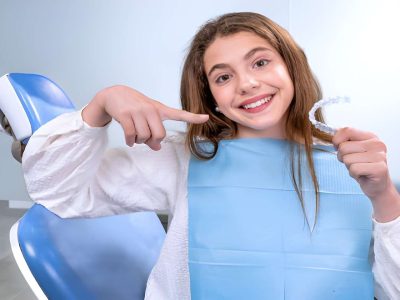
Teeth that are not straight don’t just look weird, they can actually mess with your jaw and maybe your gums too. That’s where invisible aligners come in. They’re kind of like braces, but without all the metal stuff. You wear them at home, and they move your teeth slowly. It’s not fast, but it works if you’re patient.
When your teeth get straighter, brushing and flossing don’t feel like such a hassle anymore. Less food gets stuck, which probably helps with plaque and other gross stuff. Your gums might be happier too.
Also, you don’t have to go to the dentist all the time. The aligner company usually just sends you all the trays you need in the mail, which is good if you’re always busy or don’t like scheduling things. It’s just easier this way, and it still gets your smile fixed.
Why a Soft Night Guard Could Save Your Smile While You Sleep
If you grind your teeth at night (a condition called bruxism), you could be damaging your teeth without realising it. Over time, grinding can lead to chipped enamel, jaw pain, headaches, and even shifting teeth.
A soft night guard is a gentle, comfortable way to protect your smile while you sleep. Unlike bulky store-bought guards, custom-fit soft night guards mold perfectly to your bite and cushion your teeth, reducing wear and strain.
Think of it as a safety net for all the effort you’re putting into your dental care, especially if you’re using aligners or have recently completed orthodontic treatment.
Final Thoughts: It All Adds Up
A confident, healthy smile isn’t about one magic solution; it’s the result of consistent, thoughtful choices stacked together over time. From the foods you eat to the way you sleep, every small decision either contributes to your smile’s radiance or slowly works against it.
Adding more smile-friendly foods to your plate, being mindful of habits that harm, and choosing smart, protective tools like invisible aligners and a soft night guard can make all the difference. These aren’t just cosmetic fixes; they’re investments in your long-term oral health, comfort, and self-confidence.
And the best part? You don’t have to overhaul your life overnight. Start small. Swap soda for water. Floss before bed. Wear your night guard consistently. Use your aligners as prescribed. Over time, these micro-habits create macro-results.
Your smile is one of the first things the world sees; it tells your story before you even speak. With just a bit of intention and care, you can make sure that the story is one of strength, wellness, and quiet confidence.








Comments