
 By
By 
You might be feeling a mix of relief and worry right now. Relief that you finally have a plan for your teeth, and worry because someone just said the words “oral surgery” or “dental implants,” or mentioned oral surgery in Des Plaines, and suddenly everything feels bigger and more serious than you expected.end
Maybe you are facing wisdom tooth removal, a bone graft, or a full implant treatment with an oral surgeon and implant dentist. You have a treatment recommendation, a date on the calendar, and a knot in your stomach. You want to feel confident, not rushed. You want to know what you are saying yes to.
The good news is that you can. When you know the right questions to ask your oral surgeon before treatment, you move from feeling powerless to feeling prepared. The short version is this. Ask about their experience, your options, the risks, the recovery, the costs, and how you will communicate if something worries you. These six areas cover almost everything that matters for your safety and peace of mind.
So where does that leave you today? It leaves you with permission to slow down and ask clear, direct questions. You are not being “difficult.” You are taking care of your health.
Why asking questions before oral surgery matters so much
Oral surgery is personal. It affects how you eat, speak, and smile. It also often involves sedation, time off work, and a meaningful financial investment. Because of this, it is very common to feel torn. You want to trust your surgeon, yet you also feel afraid of making a mistake or agreeing to something you do not fully understand.
Here is the problem. Many people feel rushed in the chair. The surgeon explains the plan in clinical language. You nod along, even though you still have questions. You go home and only later think of what you really wanted to ask. By then, it sometimes feels too late or too awkward to call back.
That tension can create a lot of anxiety. You might find yourself googling late at night, reading stories that only make you more nervous. You might wonder if your case is “normal,” or if you should get another opinion. You might even think about canceling altogether.
What often calms that fear is not a different treatment. It is better communication. When you ask clear questions and your oral surgeon answers in a way you can understand, your brain finally gets what it needs to relax. Research-backed advice from academic sources, such as guidance on questions to ask your oral surgeon before surgery, also supports this idea. Good communication improves safety and satisfaction.
So what should you actually ask?
Question 1: “How many times have you done this specific procedure?”
Experience matters. You are not just choosing an oral surgeon. You are choosing someone to perform your exact surgery, whether that is a single implant, multiple extractions, jaw surgery, or another procedure.
You can ask:
“How often do you perform this procedure?”
“What are the usual outcomes for patients like me?”
A confident, caring oral surgeon or implant dentist will answer plainly. They may share their training, how long they have been doing this, and how your case compares with others. You are not asking for perfection. You are looking for honesty and clarity.
Question 2: “What are my options, including doing nothing for now?”
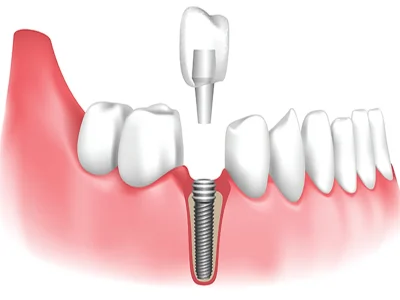
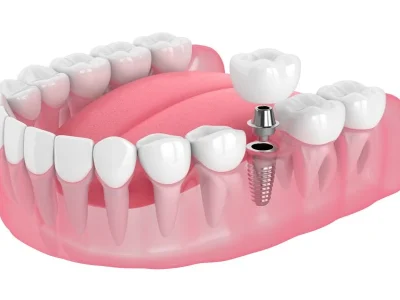
There is rarely only one path. Even if your dentist referred you for a specific surgery, you still have choices. For example, a missing tooth might be treated with a dental implant, a bridge, or even a removable partial denture. In some situations, you might be able to wait and monitor.
Try asking:
“What are all my treatment options?”
“What happens if I delay or do nothing right now?”
A thoughtful oral surgeon will walk you through the pros and cons of each option. They should explain what might happen to your jawbone, your bite, and your neighboring teeth if you wait. This helps you see whether the recommended treatment is urgent or simply preferred.
Question 3: “What are the risks, and how do you handle complications?”
No surgery is completely risk free. You deserve to hear both the common and rare risks in plain language, not in fast medical jargon. For example, with extractions or implants, there can be risks of infection, sinus involvement, nerve irritation, or healing problems.
You might ask:
“What are the most common risks for me?”
“If something goes wrong, what is the plan?”
The goal is not to scare yourself. It is to understand how your surgeon prepares, how they monitor you, and how they would respond if you are one of the few who has a complication. That is part of informed consent.
Question 4: “What will my recovery really be like?”
This is where daily life comes in. You need to know how long you might be swollen, what you can eat, when you can go back to work, and how much pain to expect. Many people are surprised by how tired they feel after surgery or how long it takes before they can chew normally again.
Ask questions such as:
“How many days should I plan to rest?”
“What will I be able to eat for the first week?”
“What signs should make me call you right away?”
Clear instructions reduce your fear. They also lower your risk of problems. For example, if you know exactly how to care for your mouth after surgery, you are less likely to develop infection or disturb the healing site.
Question 5: “What will this cost, and what is included?”
Money stress can be just as heavy as health stress. Oral surgery and implant treatment can involve several stages. There may be separate fees for the surgeon, the anesthesia, the X rays, the lab work, and the final restoration with your general dentist.
“Can you give me a written estimate that breaks down each part of the treatment?”
“What is and is not included in this fee?”
“How will insurance be handled?”
This is not being picky. It is being responsible. A clear financial picture lets you plan and prevents unwelcome surprises later.
Question 6: “How will we communicate before and after surgery?”
Good communication does not end when you leave the chair. You need to know who you can contact if you wake up in the night with a question or if something does not feel right a few days later.
You can ask:
“If I have a concern after hours, how do I reach you or your team?”
“Will I see you again for follow up, and when?”
Strong communication habits, as described in resources on communicating with your oral surgeon, build trust and help you heal with less fear. You deserve to feel supported, not abandoned, once you leave the office.
Comparing your choices: what should you weigh before oral surgery?
At some point you may wonder whether to move forward with surgery now, wait, or seek another opinion. A simple comparison can help organize your thoughts about oral surgery and dental implant treatment.
| Choice | Possible Benefits | Possible Risks / Tradeoffs | When It Might Make Sense |
|---|---|---|---|
| Proceed with recommended surgery now | Addresses pain or infection sooner. May protect other teeth and bone. Shortens total treatment time. | Upfront cost. Time off work. Usual surgical risks such as swelling or infection. | When you have clear symptoms, strong trust in your surgeon, and a plan that makes sense to you. |
| Delay treatment for a set period | More time to save money or arrange time off. Chance to get another opinion. | Condition may worsen. Bone or teeth may be harder to treat later. Symptoms may flare suddenly. | When the problem is stable, not urgent, and your surgeon agrees that monitoring is reasonable. |
| Seek a second opinion | Extra clarity. Confirms the plan or reveals other options. Can increase your confidence. | More appointments. Possible delay. Opinions may differ and require careful thought. | When you feel unsure, rushed, or confused about the first recommendation. |
This kind of comparison does not tell you what to do. It gives you a clearer way to think and to frame your questions to ask your oral surgeon before treatment, so your final choice feels informed rather than pressured.
Three steps you can take right now to feel more prepared
1. Write your questions down before your appointment
Do not rely on memory. Take a small notebook or use your phone to list what you want to ask. Include questions about experience, options, risks, recovery, cost, and communication. Bring this list to your consult and keep it in your hand. It is completely acceptable to say, “I wrote a few questions down so I would not forget.” This simple habit can transform how you feel in the chair.
2. Ask for explanations in everyday language
If something sounds technical, ask for it in simpler words. For example, instead of “Is this a straightforward case,” you might say, “In plain language, how complicated is this for you?” A caring oral surgery consultation should feel like a two way conversation. You are allowed to pause, repeat back what you heard, and correct any misunderstandings on the spot.
3. Clarify the next step before you leave
Before you walk out, make sure you know exactly what happens next. That might be scheduling surgery, getting a second opinion, calling your insurance, or simply thinking it over at home. Ask who you should call if you think of more questions. A clear next step lowers anxiety and gives you a sense of control over your treatment and your general oral surgery care.
Moving forward with more confidence
You do not have to become a dental expert to make a wise choice. You only need a clear set of questions to ask an oral surgeon and the courage to use them. When you understand the procedure, the risks, the recovery, and the costs, your decision becomes calmer and more grounded.
You are allowed to take your time. You are allowed to ask for clarification. You are allowed to say, “I need to think about this.” Your mouth, your health, and your peace of mind all matter.








Comments